
Tongue-Tie (Ankyloglossia)
Tongue-Tie (Ankyloglossia)
Tongue-Tie, medically known as Ankyloglossia, is a condition present at birth in which the tissue connecting the tongue to the floor of the mouth (lingual frenulum) is shorter, tighter, or thicker than normal. This restricts tongue movement and may affect feeding, speech, oral hygiene, and overall quality of life. As a highly experienced ENT Specialist in Dubai, Dr. Amit Goel provides accurate diagnosis and advanced treatment options for infants, children, and adults with tongue-tie.
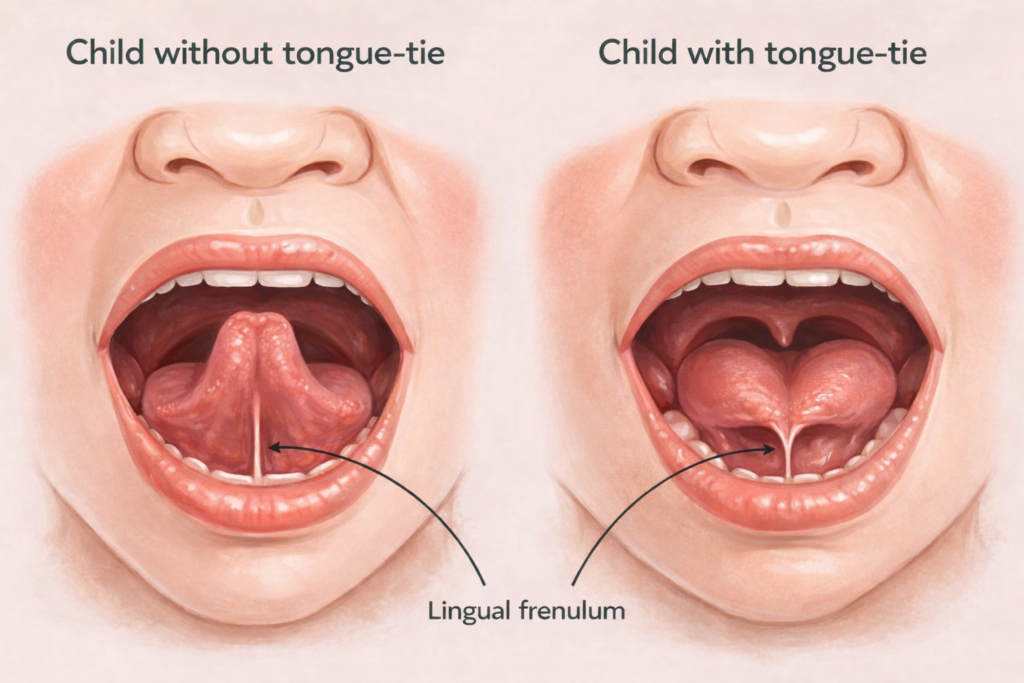
What Is Tongue-Tie (Ankyloglossia)?
The lingual frenulum is a small band of tissue that helps stabilise the tongue. In tongue-tie, this tissue is abnormally tight, restricting the tongue’s range of motion. The severity can vary—from mild restriction to complete lack of movement.
Although many cases are diagnosed in newborns during feeding assessments, some may go unnoticed until speech problems or oral discomfort arise in later years.
Common Causes of Tongue-Tie
Tongue-tie is typically congenital, meaning it develops before birth. While the exact cause is not always known, factors may include:
Genetic predisposition
Developmental differences during fetal growth
Muscle or tissue abnormalities in the oral cavity
Symptoms of Tongue-Tie
In Infants:
- Difficulty latching during breastfeeding
- Poor weight gain
- Prolonged feeding sessions
- Clicking sounds while feeding
- Colic or irritability
- Maternal nipple pain due to improper latch
In Children:
- Difficulty pronouncing certain sounds (L, R, T, D, N)
- Speech delay or unclear speech
- Challenges in licking, swallowing, or oral hygiene
- Frequent dental issues due to limited tongue movement
- Trouble eating certain foods
In Adults:
- Difficulty moving the tongue freely
- Speech issues
- Oral discomfort while speaking or eating
- Restricted ability to clean teeth or remove food particles
- Challenges with oral activities such as playing wind instruments
When tongue-tie affects daily function, ENT intervention becomes important.
How ENT Specialists Diagnose Tongue-Tie
A comprehensive assessment focuses on evaluating tongue mobility and functional impact.
Dr. Amit Goel may examine:
- Tongue elevation and extension
- Frenulum thickness and position
- Feeding or speech patterns
- Associated oral conditions
Diagnosis is quick and painless, especially in infants and children.
Treatment Options for Tongue-Tie
- Frenotomy (Simple Release)
A quick, minimally invasive procedure where the tight frenulum is released.
Benefits include:
- Immediate improvement in movement
- Minimal discomfort
- No stitches required
- Suitable for infants and young children
- Frenuloplasty (Advanced Surgical Correction)
Recommended for thicker or complex ties where a simple release is insufficient.
This procedure may involve sutures and provides enhanced tongue mobility.
- Speech Therapy
Useful for children or adults who developed speech habits prior to treatment.
- Lactation Support (For Infants)
Post-procedure feeding guidance helps improve latch and milk transfer.
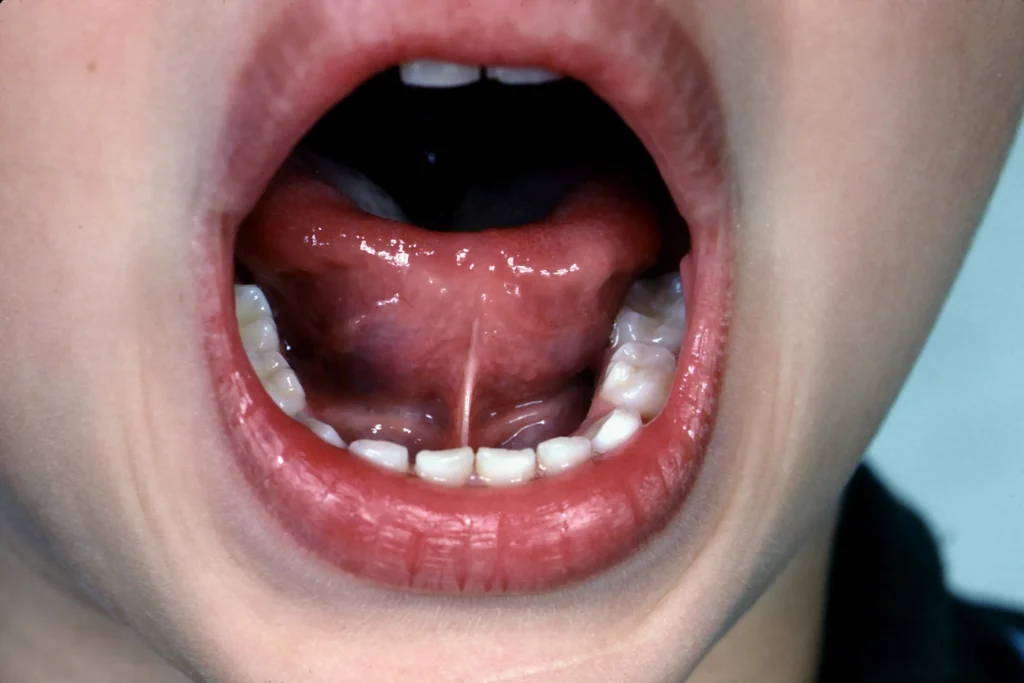
Get Expert Tongue-Tie Treatment in Dubai
If you suspect your child has tongue-tie or are experiencing speech or oral discomfort:Book your consultation with Dr. Amit Goel – ENT Specialist in Dubai. Safe, effective, and minimally invasive treatment for tongue-tie in infants, children, and adults.