
Inferior Turbinate Hypertrophy
Inferior Turbinate Hypertrophy
Inferior Turbinate Hypertrophy is a common nasal condition in which the lower nasal turbinates become enlarged, leading to persistent nasal blockage, difficulty breathing, and reduced quality of life. Turbinates are small structures inside the nose responsible for filtering, humidifying, and warming the air we breathe. When the inferior turbinates swell due to allergies, infection, or chronic inflammation, they obstruct airflow and create ongoing discomfort. As an experienced ENT Specialist in Dubai, Dr. Amit Goel provides accurate diagnosis and advanced treatment options to help patients breathe more freely.
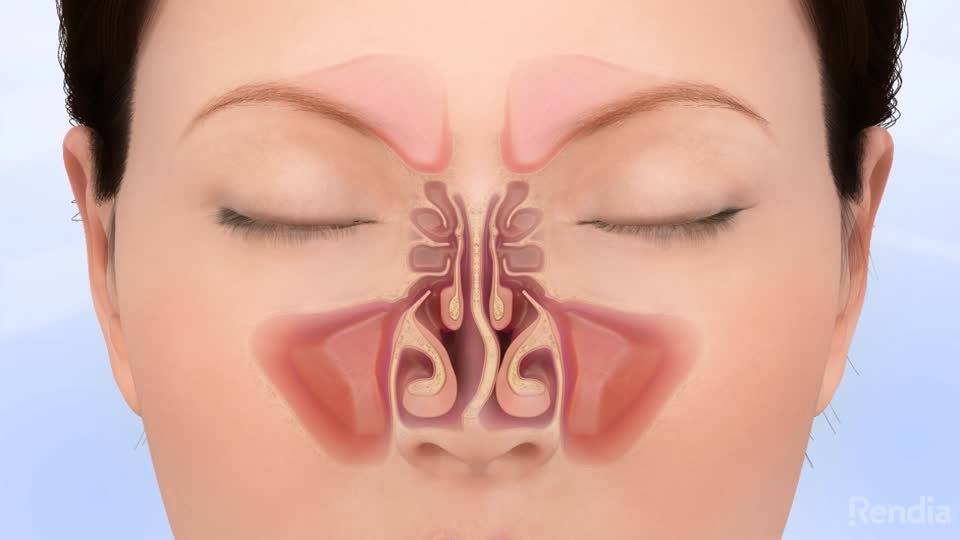
What Are Inferior Turbinates?
The nose contains three pairs of turbinates—superior, middle, and inferior—with the inferior turbinates playing the largest role in airflow. They are covered with mucosal tissue that expands and contracts naturally. However, when chronic inflammation persists, these tissues remain enlarged, causing Inferior Turbinate Hypertrophy (ITH).
This condition often coexists with nasal allergies, sinusitis, or a deviated septum, making specialist assessment essential.
Common Causes of Inferior Turbinate Hypertrophy
Several factors can trigger turbinate swelling:
Allergic Rhinitis
Frequent exposure to allergens such as dust, pollen, mold, or pet dander leads to persistent inflammation.
Chronic Sinusitis
Ongoing sinus inflammation can enlarge the turbinates over time
Deviated Nasal Septum
A crooked septum can force airflow to one side, causing compensatory turbinate enlargement.
Upper Respiratory Infections
Colds or flu cause temporary swelling that may become chronic in some individuals.
Environmental Irritants
Dust, pollution, chemicals, and dry air irritate the nasal lining.
Hormonal Changes
Pregnancy, thyroid disorders, and hormonal fluctuations may also contribute.
Symptoms of Inferior Turbinate Hypertrophy
Symptoms often mimic those of allergies or sinus infections, making proper diagnosis important. Common signs include:
- Persistent nasal congestion
- Difficulty breathing through one or both nostrils
- Snoring or mouth breathing
- Post-nasal drip
- Reduced sense of smell
- Chronic nasal blockage worsening at night
- Headache or facial pressure
Patients often struggle with sleep quality and daytime fatigue due to constant nasal obstruction.
How ENT Specialists Diagnose ITH
A thorough ENT evaluation helps determine the cause and severity of turbinate enlargement.
Dr. Amit Goel may perform:
- Nasal endoscopy to examine the turbinates and nasal passages
- Assessment for allergies or sinusitis
- CT scan in chronic or complicated cases
- Evaluation of septal deviation or nasal polyps
Accurate diagnosis guides the most effective treatment plan.
Treatment Options for Inferior Turbinate Hypertrophy
- Medical Management
Initial treatment focuses on reducing inflammation. Options include:
- Nasal steroid sprays
- Antihistamines
- Decongestants (short-term use)
- Saline rinses
- Treating underlying allergies or sinus issues
- Minimally Invasive Turbinate Reduction
For persistent or severe cases, turbinate reduction may be recommended. Procedures include:
- Radiofrequency Turbinate Reduction
- Coblation Turbinate Reduction
- Partial Turbinoplasty
These techniques shrink the enlarged tissue while preserving normal turbinate function.
- Septoplasty (If Needed)
When turbinate hypertrophy is associated with a deviated septum, septoplasty may be performed simultaneously for optimal breathing results.

Get Expert Treatment for Turbinate Hypertrophy in Dubai
If you’re struggling with persistent nasal blockage or difficulty breathing:Book your consultation with Dr. Amit Goel – ENT Specialist in Dubai. Advanced diagnosis and personalised treatment for turbinate hypertrophy and nasal airway problems.