
Thyroglossal Duct Cyst
Thyroglossal Duct Cyst
A Thyroglossal Duct Cyst (TGDC) is one of the most common congenital neck masses found in children but can also appear in adults. It develops from remnants of the thyroglossal duct—a narrow pathway the thyroid gland travels through during fetal development. When this duct fails to disappear completely, a cyst can form along the midline of the neck. As a highly experienced ENT Specialist in Dubai, Dr. Amit Goel provides accurate diagnosis and advanced surgical treatment for thyroglossal duct cysts to ensure safe and long-lasting results
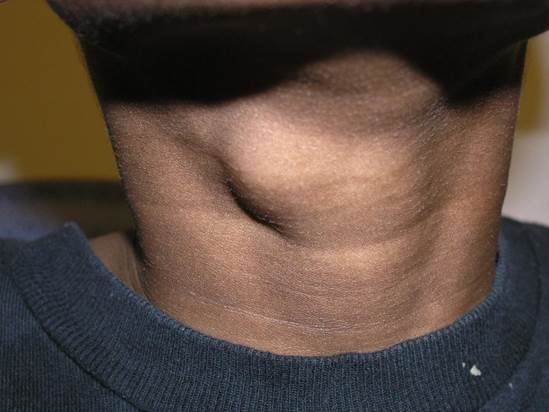
What Is a Thyroglossal Duct Cyst?
During early fetal development, the thyroid gland begins at the base of the tongue and descends to its final position in the neck. The pathway it follows is called the thyroglossal duct. Normally, this duct disappears after development. However, if parts of it persist, fluid-filled cysts can form at any point along its course.
The cyst typically presents as a soft, painless midline swelling that moves upward when swallowing or sticking out the tongue—a key sign of TGDC.
Common Causes of Thyroglossal Duct Cyst
TGDC is congenital, meaning it is present from birth. Causes include:
TGDC is congenital, meaning it is present from birth. Causes include:
Incomplete closure of the thyroglossal duct during development
Infection or inflammation of an existing cyst causing it to enlarge
Genetic developmental variations
Though present from birth, symptoms may not appear until childhood or adulthood when the cyst becomes infected or grows.
Symptoms of Thyroglossal Duct Cyst
The most common symptoms include:
- A visible mass in the midline of the neck
- Swelling that moves with swallowing or tongue movement
- Pain or tenderness (usually when infected)
- Redness or warmth over the swelling
- Difficulty swallowing or breathing (rarely)
- Discharge from an opening if the cyst ruptures or forms a sinus
In children, recurrent infections or cosmetic concerns often lead parents to seek evaluation.
How ENT Specialists Diagnose Thyroglossal Duct Cysts
Accurate diagnosis is essential before planning treatment.
Dr. Amit Goel may perform:
- Physical examination to assess movement of the cyst
- Ultrasound to confirm the cyst’s location and rule out other neck masses
- CT scan or MRI for deeper or atypical cysts
- Thyroid function tests to ensure normal thyroid position and activity
- Fine Needle Aspiration (if required) for infected or suspicious lesions
These evaluations help create a safe and effective treatment plan.
Treatment Options for Thyroglossal Duct Cysts
- Antibiotics for Infection
If the cyst becomes infected or painful, antibiotics are prescribed before surgery.
- Sistrunk Procedure (Definitive Treatment)
The Sistrunk operation is the gold-standard treatment. It involves:
- Removal of the cyst
- Excision of the central portion of the hyoid bone
- Removal of the entire thyroglossal duct tract
This significantly reduces the likelihood of recurrence and offers the best long-term outcome.
- Management of Complications
Ruptured or previously infected cysts may require drainage or additional care before surgery.
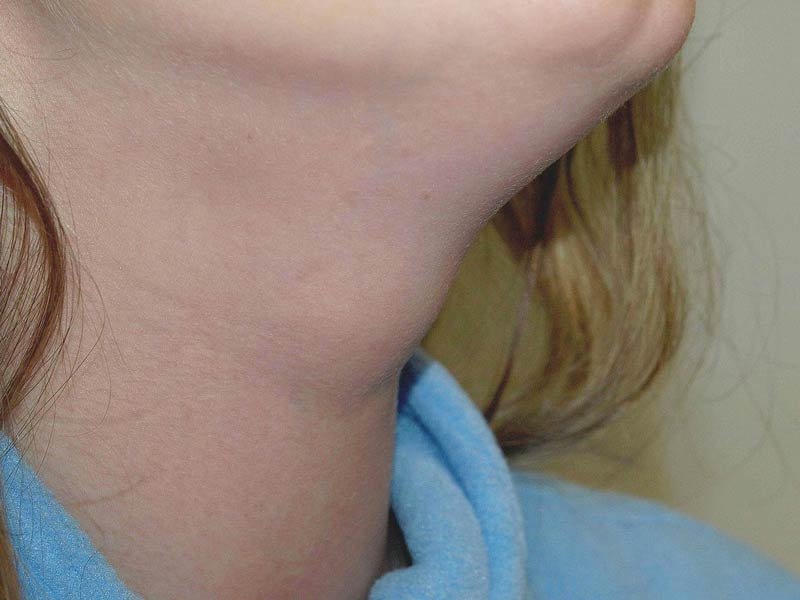
Get Expert Care for Thyroglossal Duct Cysts in Dubai
If you or your child has a midline neck swelling or symptoms of a thyroglossal duct cyst:Book your consultation with Dr. Amit Goel – ENT Specialist in Dubai. Comprehensive diagnosis and advanced surgical treatment for thyroglossal duct cysts, ensuring safety and long-term relief.