
Serous Otitis Media
Serous Otitis Media
Serous Otitis Media, also known as Otitis Media with Effusion (OME), is a common middle ear condition in which fluid accumulates behind the eardrum without signs of acute infection. Unlike typical ear infections, Serous Otitis Media does not always cause pain or fever, making it easy to overlook. However, persistent fluid buildup can affect hearing, speech development in children, and overall quality of life. As an experienced ENT Specialist in Dubai, Dr. Amit Goel provides accurate diagnosis and advanced treatment options for patients of all ages dealing with this condition.
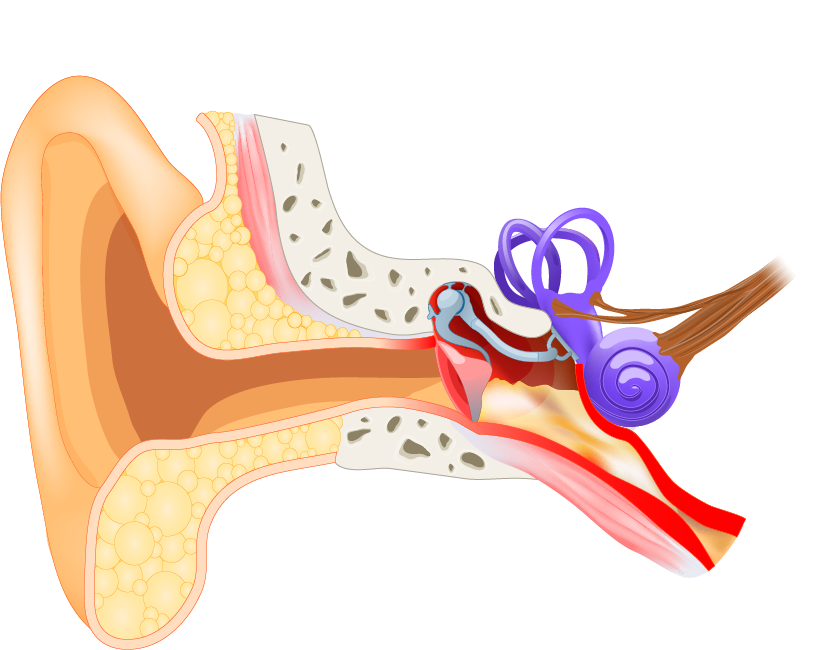
What Is Serous Otitis Media?
Serous Otitis Media occurs when the middle ear gathers thin, watery fluid due to poor ventilation or blockage of the Eustachian tube—the canal responsible for equalising pressure between the middle ear and throat. When this tube fails to function properly, air cannot flow into the middle ear, causing negative pressure and fluid buildup. Although not an active infection, the fluid can become infected over time if untreated.
This condition is especially common in young children because their Eustachian tubes are shorter, narrower, and more easily blocked. Adults may also develop OME after sinus infections, allergies, or upper respiratory illnesses.
Common Causes of Serous Otitis Media
Several factors can interfere with the normal function of the Eustachian tube
Upper Respiratory Infections
Colds, flu, and sinus infections cause inflammation, blocking ear ventilation.
Allergies
Allergic rhinitis can swell the nasal passages and Eustachian tube lining
Enlarged Adenoids
Enlarged tissue at the back of the nose can obstruct the Eustachian tube, especially in children.
Sudden Pressure Changes
Flying, diving, or high-altitude travel may disturb middle ear pressure.
Chronic Sinusitis
Persistent sinus infections can increase fluid retention in the middle ear.
Tobacco Smoke Exposure
Second-hand smoke irritates the Eustachian tube and increases fluid buildup.
Symptoms of Serous Otitis Media
Unlike acute infections, Serous Otitis Media may not cause severe pain. Common symptoms include:
- Muffled or reduced hearing
- A feeling of fullness or pressure in the ear
- Popping or crackling sounds when swallowing or yawning
- Balance disturbances in some cases
- Difficulty concentrating (often seen in school-going children)
- Delayed speech development due to reduced hearing (in children)
If these symptoms persist for more than a few weeks, professional evaluation is essential.
How ENT Specialists Diagnose OME
A thorough ENT assessment helps determine the severity and cause of the fluid retention.
Dr. Amit Goel may recommend:
- Otoscopy to visualise the eardrum and fluid level
- Tympanometry to assess middle ear pressure
- Audiometry for hearing evaluation
- Endoscopic examination to check for blocked adenoids or sinus issues
These tests allow for accurate, targeted treatment.
Treatment Options for Serous Otitis Media
Treatment depends on duration, severity, and recurrence:
- Observation & Medical Management
Mild cases often resolve on their own. Nasal sprays, antihistamines, and decongestants may help reduce inflammation.
- Treating Underlying Allergies or Sinusitis
Managing allergies or sinus infections plays a key role in preventing fluid buildup.
- Myringotomy with Ear Tube Insertion
For persistent cases lasting more than 3 months, tiny ventilation tubes are inserted into the eardrum to drain fluid and improve air flow.
- Adenoidectomy
In children with enlarged adenoids, removal can significantly reduce recurrence.
- Hearing Support
Temporary hearing loss may be managed with early intervention to avoid impact on speech or learning.

Get Expert Evaluation for Serous Otitis Media in Dubai
Persistent fluid in the ear shouldn’t be ignored. If you or your child is experiencing hearing concerns, ear fullness, or recurrent ear issues: Book your consultation with Dr. Amit Goel – ENT Specialist in Dubai. Comprehensive diagnosis and advanced treatment for all middle ear conditions.