
Deviated Nasal Septum
Deviated Nasal Septum
A Deviated Nasal Septum (DNS) is a common structural condition in which the thin wall dividing the nose into two nostrils is displaced to one side. While mild deviations are common and often go unnoticed, a significantly deviated septum can obstruct airflow, cause breathing difficulties, trigger sinus infections, and affect overall nasal function. As a leading ENT Specialist in Dubai, Dr. Amit Goel provides advanced evaluation and tailored treatment options—including minimally invasive surgery—to help patients breathe freely and comfortably.
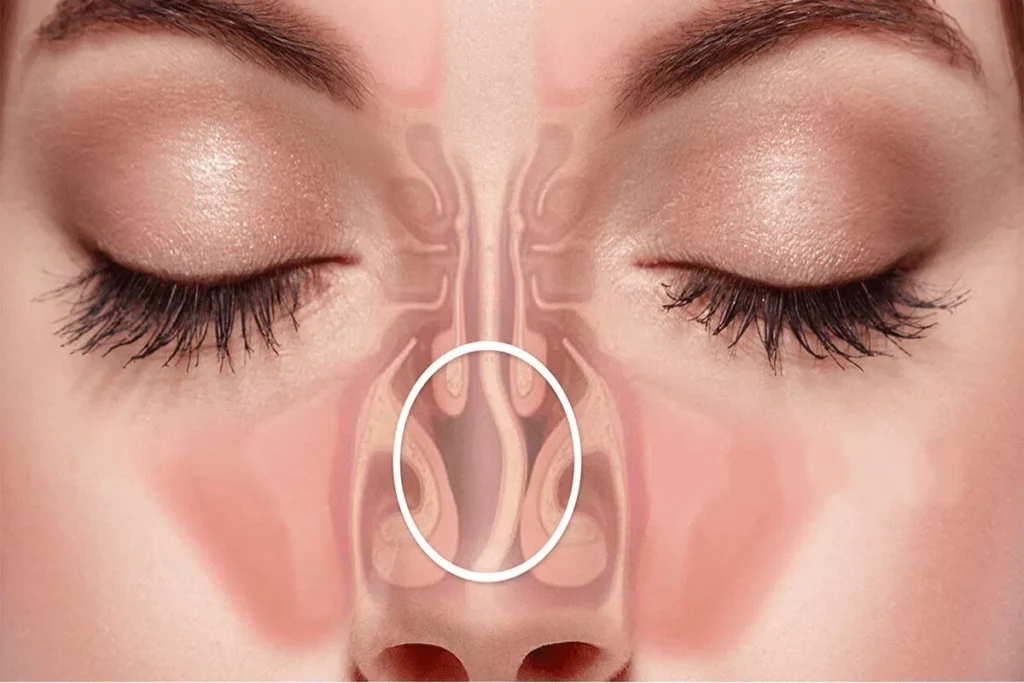
What Is a Deviated Nasal Septum?
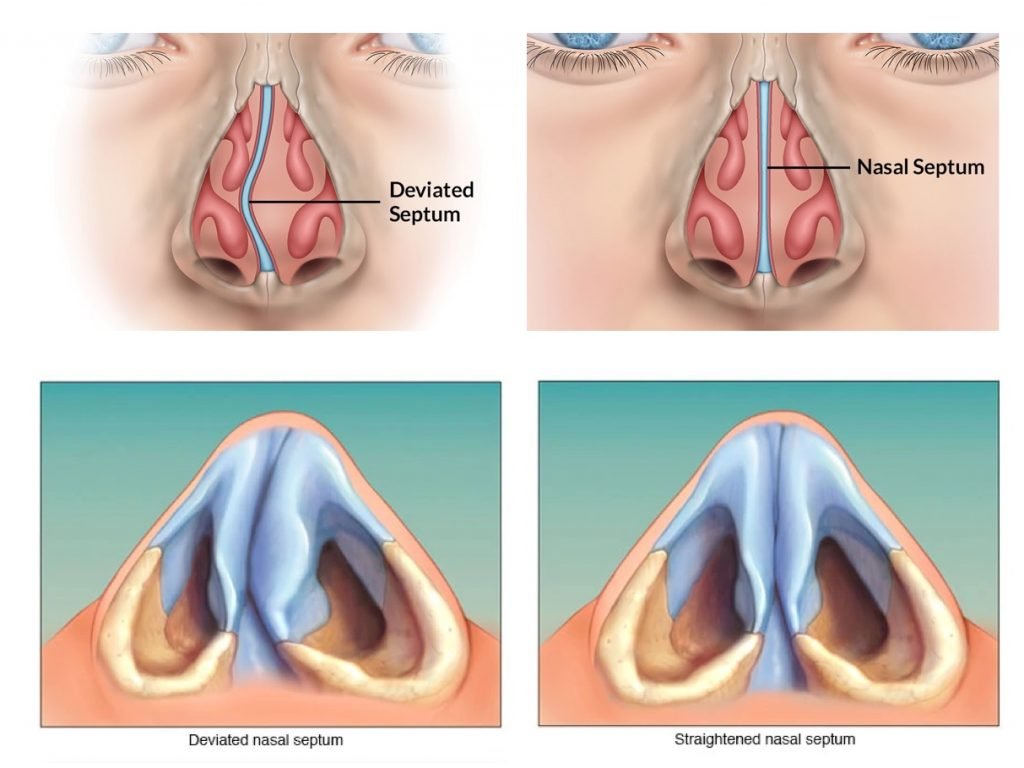
The nasal septum is made of bone and cartilage. Ideally, it should run through the center of the nose, dividing the left and right nasal passages equally. When the septum shifts or bends, one channel may become narrower, making it difficult for air to pass through.
A deviated septum may be present from birth, develop due to injury, or worsen as part of natural aging changes.
Common Causes of Deviated Nasal Septum
Congenital Factors
Some individuals are born with a deviation due to developmental differences.
Trauma or Injury
A broken nose, sports injuries, falls, or accidents can cause the septum to shift.
Aging and Structural Changes
Over time, cartilage may weaken, worsening an existing deviation
Previous Nasal Surgery
Complications from earlier procedures may affect the septum’s alignment
Symptoms of Deviated Nasal Septum
Not everyone with DNS experiences symptoms, but moderate to severe deviations can cause:
- Nasal blockage (usually worse on one side)
- Difficulty breathing through the nose
- Frequent sinus infections
- Nasal congestion and post-nasal drip
- Snoring or noisy breathing during sleep
- Facial pressure or headaches
- Nosebleeds due to dryness
- Broken sleep or mouth breathing
Symptoms often worsen with colds, allergies, or weather changes.
How ENT Specialists Diagnose DNS
A detailed ENT assessment is essential to confirm the severity of the deviation and rule out other nasal conditions.
Dr. Amit Goel performs:
- Nasal endoscopy to visualise the septum
- Examination for enlarged turbinates, polyps, or inflammation
- CT scan for chronic sinus issues or complex cases
Accurate diagnosis ensures the most effective treatment approach.
Treatment Options for Deviated Nasal Septum
- Medical Management
While medications cannot fix the structural deviation, they can relieve symptoms:
- Nasal sprays
- Antihistamines
- Decongestants
- Saline rinses
These help reduce inflammation and improve airflow temporarily.
- Septoplasty (Surgical Correction)
The definitive treatment for a deviated septum is septoplasty, a minimally invasive surgery that straightens and repositions the septum.
Benefits include:
- Improved nasal breathing
- Reduced sinus infections
- Better sleep quality
- Relief from congestion and headaches
- Addressing Associated Conditions
Concha bullosa, turbinate hypertrophy, and nasal polyps may also be treated alongside DNS for optimal results.
Get Expert Treatment for Deviated Nasal Septum in Dubai
If nasal blockage, snoring, or sinus issues are affecting your daily comfort:Book your consultation with Dr. Amit Goel – ENT Specialist in Dubai.Advanced diagnosis and personalised treatment for deviated septum and nasal breathing problems.