
Salivary Gland Duct Stones
Salivary Gland Duct Stones
Salivary gland duct stones, also known as sialolithiasis, are hardened mineral deposits that form within the ducts of the salivary glands. These stones block the flow of saliva, causing pain, swelling, and recurrent infections. The condition is most commonly seen in the submandibular gland but can occur in any major salivary gland. As a highly experienced ENT Specialist in Dubai, Dr. Amit Goel offers advanced diagnostic tools and minimally invasive treatment options to effectively manage salivary gland duct stones and restore healthy gland function.
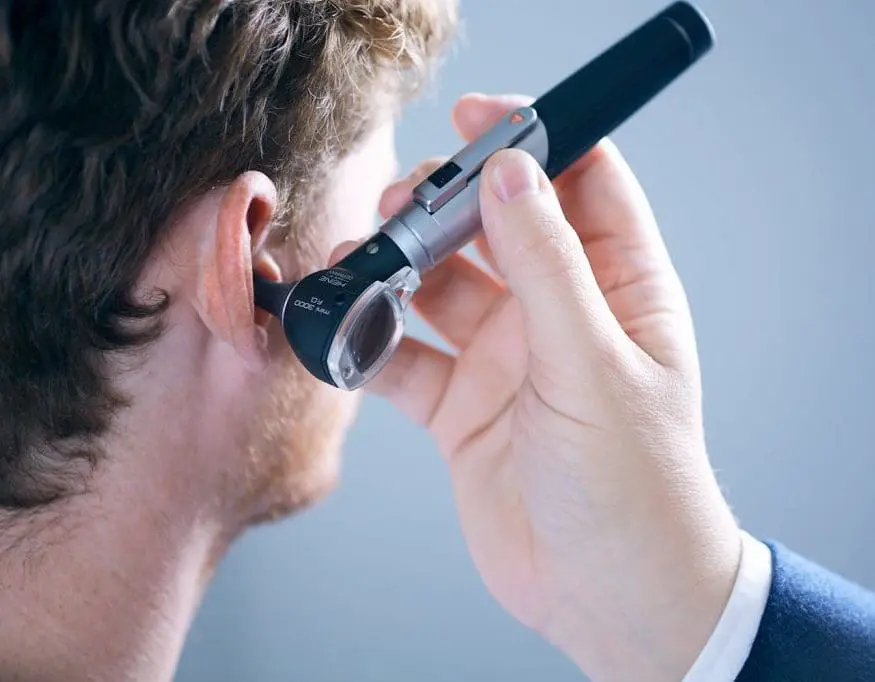
What Are Salivary Gland Duct Stones?
Salivary glands produce saliva, which helps lubricate the mouth, aid digestion, and protect oral tissues. When minerals such as calcium and phosphate accumulate inside the ducts, they form small stones. These stones can partially or completely block the ducts, leading to painful swelling—especially during meals when saliva production increases.
Common Causes of Salivary Gland Stones
Several factors may contribute to stone formation:
Dehydration
Low fluid intake thickens saliva, making stone formation more likely.
Reduced Saliva Flow
Conditions like dry mouth (xerostomia), certain medications, or autoimmune diseases can reduce saliva production.
Infection or Inflammation
Chronic salivary gland infections may alter the gland's environment and promote stone formation.
Obstruction or Narrow Ducts
Structural abnormalities in the ducts may hinder normal saliva flow.
Smoking
Tobacco use reduces saliva flow and increases stone risk.
Poor Oral Hygiene
Accumulated debris increases inflammation in the ducts.
Symptoms of Salivary Gland Duct Stones
Symptoms often worsen around mealtime due to increased saliva production. Common signs include:
- Pain and discomfort under the jaw or in front of the ear
- Swelling of the affected salivary gland
- Dry mouth
- Difficulty or pain while swallowing
- Reduced saliva flow
- Bad taste in the mouth
- Recurrent infections with fever and pus-like discharge (in severe cases)
If left untreated, repeated infections may cause permanent gland damage.
How ENT Specialists Diagnose Salivary Stones
A detailed ENT evaluation helps determine the size, location, and number of stones.
Dr. Amit Goel may recommend:
- Physical examination to assess gland swelling
- Ultrasound for accurate stone detection
- CT scan for deeper or multiple stones
- Sialography to evaluate duct structure
- Endoscopic examination (Sialendoscopy) for direct visualisation
Accurate diagnosis ensures the most suitable treatment approach.
Treatment Options for Salivary Gland Duct Stones
- Conservative Management
Small stones may pass naturally with:
- Increased hydration
- Warm compresses
- Massage of the gland
- Sour candies to stimulate saliva flow
- Minimally Invasive Procedures
For stones that do not pass on their own:
- Sialendoscopy – A minimally invasive technique using a tiny endoscope to locate and remove stones.
- Duct dilation to improve saliva flow.
- Surgical Removal
For large or deeply embedded stones, surgical removal may be necessary.
- Treating Associated Infection
Antibiotics and anti-inflammatory medications may be prescribed when infections occur.
Dr. Amit Goel specialises in minimally invasive approaches to ensure fast recovery and minimal discomfort.
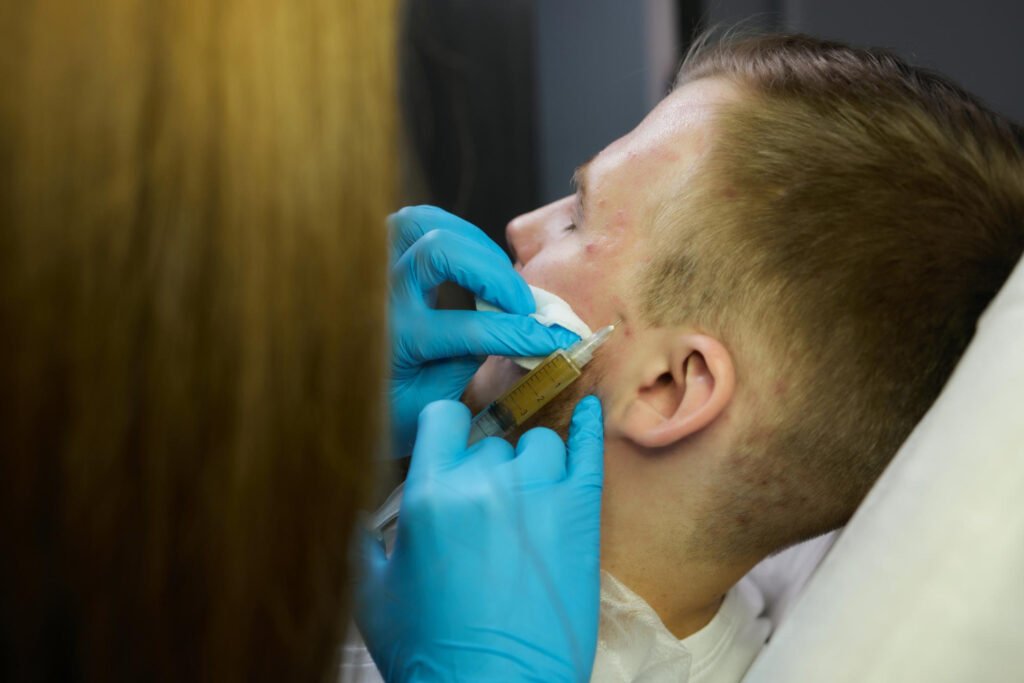
Get Expert Treatment for Salivary Gland Stones in Dubai
If you experience recurrent gland swelling, jaw pain, or difficulty swallowing:Book your consultation with Dr. Amit Goel – ENT Specialist in Dubai. Advanced diagnosis and minimally invasive treatment for salivary gland duct stones and related conditions.