
Salivary Gland Surgery
Salivary Gland Surgery
The salivary glands play a vital role in digestion, lubrication, and maintaining oral health. When these glands become blocked, infected, or develop abnormal growths, patients may experience pain, swelling, difficulty eating, or recurrent infections. Salivary gland surgery is often required when conservative treatments are ineffective or when structural problems need correction. As an experienced ENT Specialist in Dubai, Dr. Amit Goel offers advanced, minimally invasive and traditional surgical techniques to effectively manage salivary gland diseases and restore optimal gland function.
What Is Salivary Gland Surgery?
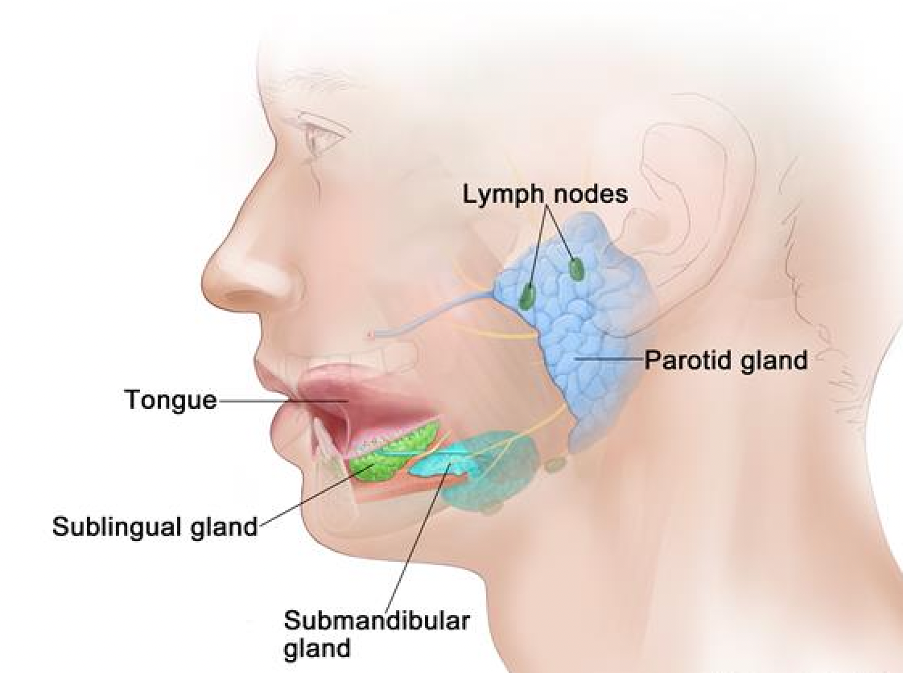
Salivary gland surgery includes a range of procedures performed to treat conditions affecting the major salivary glands:
- Parotid gland (near the ear)
- Submandibular gland (under the jaw)
- Sublingual gland (under the tongue)
Depending on the underlying condition, surgery may involve removing stones, repairing ducts, excising cysts, or removing part or all of the affected gland.
Conditions That Require Salivary Gland Surgery
Surgery may be recommended for:
- Salivary Gland Stones (Sialolithiasis)
Stones blocking the duct prevent saliva flow, causing swelling and pain, especially during meals.
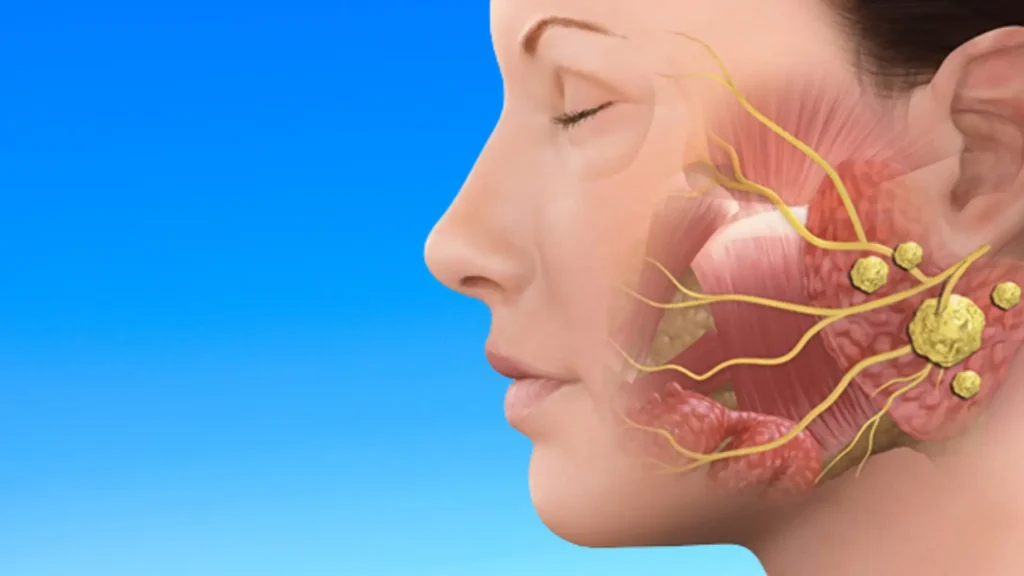
- Salivary Gland Tumors
Both benign and malignant tumors may require surgical removal to prevent spread or functional impairment.
- Chronic Infections
Persistent or recurrent infections that do not respond to medication may need surgical intervention.
- Cysts or Duct Obstruction
Mucus retention cysts or structural blockages can impair gland function and require correction.
- Autoimmune Disorders
Conditions such as Sjogren’s syndrome may lead to chronic swelling requiring specialist evaluation.
- Trauma or Injury
Accidents causing duct damage or cyst formation may require repair.
Early evaluation helps determine whether minimally invasive or open surgery is the best approach.
Symptoms That Indicate the Need for Surgery
Common symptoms include:
- Swelling near the jaw, cheek, or under the tongue
- Persistent gland pain
- Difficulty swallowing or opening the mouth
- Dry mouth or reduced saliva
- Recurrent infections
- Bad taste or pus discharge from the duct
- Lump or mass in the gland region
If these symptoms persist, ENT evaluation is essential.
Types of Salivary Gland Surgery
- Sialendoscopy (Minimally Invasive)
A modern, endoscopic technique used to remove stones, clear duct blockages, and treat strictures without major incisions. Benefits include:
- Faster recovery
- Minimal scarring
- Less pain and reduced tissue damage
- Parotidectomy
Surgical removal of part or all of the parotid gland, usually performed for tumors or chronic disease. The facial nerve is carefully preserved during the procedure.
- Submandibular Gland Excision
Performed when stones, infections, or tumors affect the submandibular gland.
- Sublingual Gland Surgery
Required for cysts, ranulas, or structural abnormalities in the floor of the mouth.
- Duct Repair or Reconstruction
Used when trauma or scarring obstructs normal saliva flow.
How ENT Specialists Diagnose Salivary Gland Problems
Dr. Amit Goel uses advanced tools such as:
- Ultrasound
- CT or MRI scans
- Fine Needle Aspiration Cytology (FNAC)
- Sialendoscopy
Accurate diagnosis ensures effective treatment planning and optimal outcomes.
Post-Operative Care
After surgery, patients may need to:
- Maintain hydration
- Follow a soft diet
- Use gland massage techniques
- Take prescribed medications
- Attend follow-up visits
Proper care helps ensure smooth recovery and long-term comfort.
Get Expert Salivary Gland Surgery in Dubai
If you have persistent gland swelling, pain, or recurrent infections:Book your consultation with Dr. Amit Goel – ENT Specialist in Dubai. Advanced surgical techniques and personalised care for all salivary gland disorders.