
Stapedectomy (Stapes Surgery)
Stapedectomy (Stapes Surgery)
Stapedectomy, also known as Stapes Surgery, is a highly specialised ear procedure performed to improve hearing in patients with otosclerosis—a condition where abnormal bone growth around the stapes bone restricts its movement. This prevents sound vibrations from passing to the inner ear, leading to progressive conductive hearing loss. As a skilled ENT Specialist in Dubai, Dr. Amit Goel offers advanced stapedectomy techniques to restore natural hearing and significantly enhance quality of life.
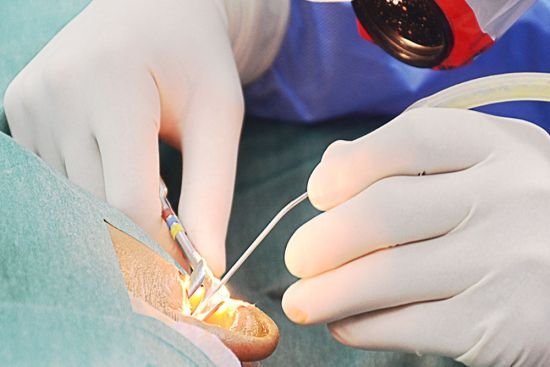
What Is Stapedectomy?
The stapes is the smallest bone in the human body and plays a vital role in sound transmission. In otosclerosis, the stapes becomes fixed and unable to vibrate, interrupting sound conduction.
A stapedectomy involves removing part or all of the immobilised stapes bone and replacing it with a prosthetic implant that restores movement and sound transmission.
The surgery is delicate, precise, and highly effective when performed by an experienced ENT surgeon.
Why Is Stapedectomy Needed?
Stapedectomy is recommended for patients who:
- Have conductive hearing loss due to otosclerosis
- Do not benefit sufficiently from hearing aids
- Experience worsening hearing over time
- Want a long-term solution to improve hearing
- Have no significant inner ear damage
When performed properly, stapes surgery can dramatically improve hearing and reduce dependence on hearing devices.
Symptoms of Otosclerosis
Stapedectomy is typically performed for otosclerosis, which may present with:
- Gradual hearing loss (usually in one ear first)
- Difficulty hearing low-pitched sounds
- Tinnitus (ringing in the ear)
- Better hearing in noisy environments (paracusis)
- Dizziness (less common)
- Family history of similar hearing issues
Early evaluation helps prevent progression and guides timely treatment.
How ENT Specialists Diagnose Otosclerosis
Accurate diagnostic testing is essential for selecting the right candidates for surgery.
Dr. Amit Goel may perform:
- Audiometry (hearing test) to assess the degree of conductive hearing loss
- Tympanometry to evaluate middle ear function
- CT scan of the temporal bone to confirm otosclerotic changes
- Tuning fork tests for initial screening
These tests ensure precise identification of stapes fixation or middle ear pathology.
How Stapedectomy Is Performed
Stapedectomy is typically performed under local or general anaesthesia and involves:
- Accessing the Middle Ear
A small incision is made in the ear canal to reach the stapes.
- Removing the Fixed Stapes
The immobile stapes bone is partially or entirely removed.
- Inserting the Prosthesis
A tiny prosthetic device is placed between the incus and the oval window to restore vibration.
- Sealing & Stabilisation
A graft or tissue seal stabilises the prosthesis and supports healing.
The entire procedure usually takes less than 90 minutes, and most patients go home the same day.
Benefits of Stapedectomy
- Significant improvement in hearing
- Reduced tinnitus
- Enhanced sound clarity
- Long-term correction of conductive hearing loss
- Improved communication and quality of life
- High success rate with low complication risk
Stapes surgery offers durable and effective results when performed by an experienced specialist.
Post-Procedure Care
Patients are advised to:
- Avoid heavy lifting and sudden head movements
- Keep the ear dry during healing
- Avoid flying for a few weeks
- Follow prescribed medications
- Attend follow-up visits to monitor hearing improvement
Most patients notice hearing improvement gradually over several weeks.
Get Expert Stapedectomy Treatment in Dubai
If you have conductive hearing loss or have been diagnosed with otosclerosis:Book your consultation with Dr. Amit Goel – ENT Specialist in Dubai. Advanced stapedectomy techniques and personalised care to restore natural hearing with precision and confidence.