
Salivary Gland Swellings
Salivary Gland Swellings
Salivary gland swellings are a common concern affecting individuals of all ages. These swellings can occur in the parotid, submandibular, or sublingual glands and may range from mild inflammation to more complex conditions such as infections, stones, or tumors. Because the salivary glands play a vital role in digestion, oral lubrication, and overall mouth health, prompt evaluation is essential. As a highly experienced ENT Specialist in Dubai, Dr. Amit Goel provides comprehensive diagnosis and advanced treatment options for all types of salivary gland swellings.
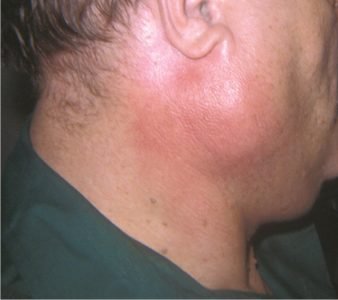
What Are Salivary Gland Swellings?
Salivary gland swellings refer to visible or palpable enlargement of one or more salivary glands. The swelling may be sudden or gradually progressive, painful or painless, depending on the underlying cause. Commonly affected glands include:
- Parotid glands (in front of the ears)
- Submandibular glands (under the jawline)
- Sublingual glands (under the tongue)
Because multiple conditions can present as gland swelling, specialist evaluation is crucial for proper treatment.
Common Causes of Salivary Gland Swellings
Infections (Viral or Bacterial)
• Viral infections such as mumps can cause painful parotid gland swelling. • Bacterial infections often occur when saliva flow is blocked, leading to pain, fever, and pus.
Salivary Gland Stones (Sialolithiasis)
Mineral deposits block saliva ducts, causing swelling—especially during meals.
Obstruction of Salivary Ducts
Mucus plugs, narrowing of ducts, or trauma may restrict saliva flow.
Tumors
Benign or malignant tumors can develop within the gland. Not all tumors are painful; however, early evaluation is important.
Autoimmune Diseases
Conditions like Sjogren’s syndrome cause chronic dry mouth and gland enlargement.
Dehydration & Reduced Saliva Flow
Inadequate hydration thickens saliva, increasing the risk of swelling and infection.
Cysts or Congenital Abnormalities
Fluid-filled cysts can form within the gland or ducts.
Symptoms of Salivary Gland Swellings
Symptoms vary based on the cause but often include:
- Visible swelling near the jaw or ear
- Pain or discomfort, especially during eating
- Dry mouth
- Trouble swallowing or opening the mouth
- Fever or malaise (in infections)
- Foul-tasting discharge from the duct
- Lump or mass that persists or grows
- Facial weakness (in rare tumor-related cases)
Persistent or painful swelling requires urgent ENT attention.
How ENT Specialists Diagnose Salivary Gland Swellings
A detailed evaluation helps identify the root cause.
Dr. Amit Goel may recommend:
- Physical examination of gland size and tenderness
- Ultrasound to detect stones, cysts, or tumors
- MRI or CT scan for deeper gland evaluation
- Sialendoscopy to inspect and treat duct blockages
- Blood tests for autoimmune or infection-related swelling
- FNAC (Fine Needle Aspiration Cytology) for mass or tumor assessment
Accurate diagnosis ensures effective and targeted treatment.
Treatment Options for Salivary Gland Swellings
- Medical Management
- Antibiotics for bacterial infections
- Anti-inflammatory medications
- Hydration and warm compresses
- Saliva-stimulating measures
- Sialendoscopy
A minimally invasive technique to remove stones, clear blockages, or treat duct strictures.
- Surgical Intervention
Required for tumors, large stones, or cysts. Procedures may include partial or complete gland removal depending on the condition.
- Treating Underlying Conditions
Autoimmune disorders, chronic sinus problems, or dehydration must be addressed to prevent recurrence.
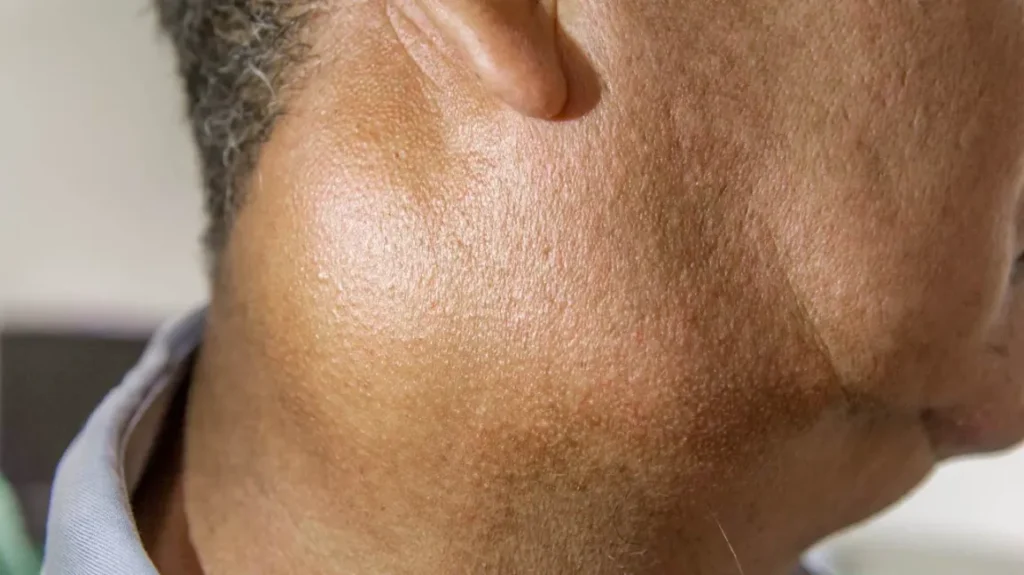
Get Expert Care for Salivary Gland Swellings in Dubai
If you notice swelling near your jaw, cheek, or under the tongue:Book your consultation with Dr. Amit Goel – ENT Specialist in Dubai. Advanced diagnostics and personalised treatment for all salivary gland conditions.
.