Adenoid Hypertrophy
Adenoid Hypertrophy
Adenoid Hypertrophy, or enlarged adenoids, is a common condition seen primarily in children but can occasionally affect adults as well. The adenoids are small, lymphatic tissues located at the back of the nose. They help fight infections during early childhood, but when they become chronically enlarged, they can obstruct airflow, affect sleep, and contribute to repeated ear and sinus infections. As a highly experienced ENT Specialist in Dubai, Dr. Amit Goel provides accurate diagnosis and advanced, child-friendly treatment options for effective and long-lasting relief.
What Are Adenoids and Why Do They Enlarge?
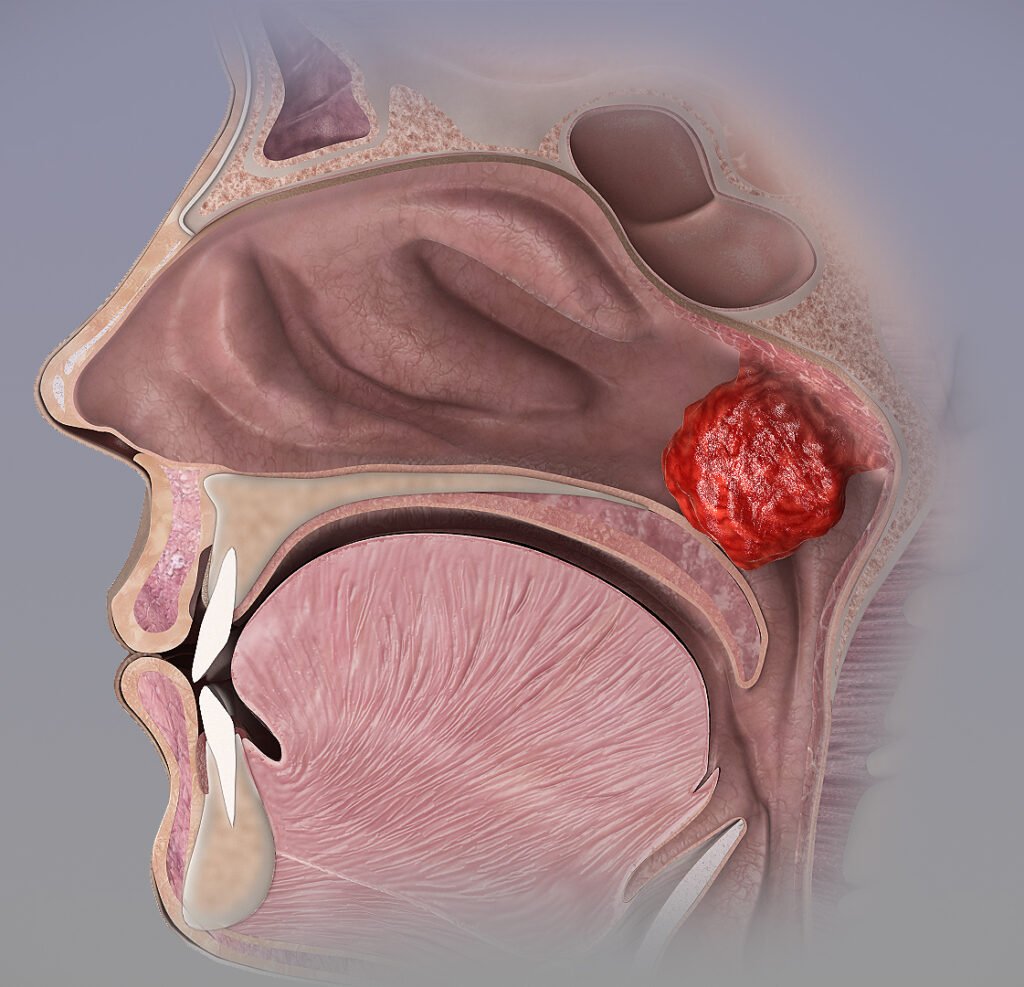
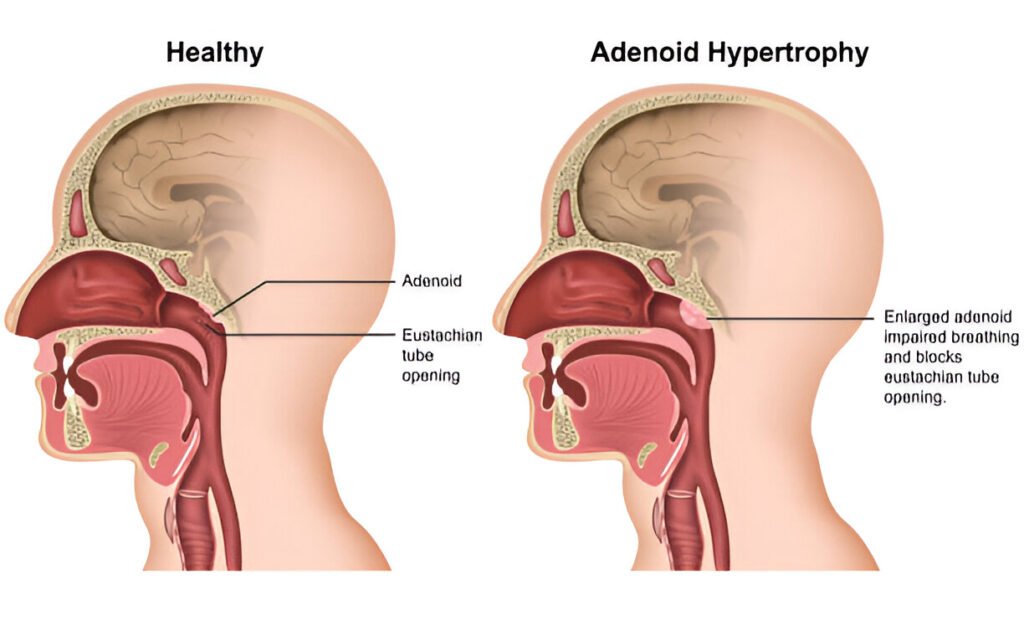
Adenoids are part of the immune system and naturally grow until the age of 5–6 years before shrinking during adolescence. However, frequent infections, allergies, or genetic factors can cause the adenoids to remain enlarged, a condition known as Adenoid Hypertrophy.
When the adenoids grow too large, they block the nasal airway and interfere with normal breathing, sleep, and ear ventilation.
Common Causes of Adenoid Hypertrophy
Adenoid enlargement may occur due to
Repeated Infections
Colds, flu, and throat infections make the adenoids swell repeatedly
Allergies
Chronic allergic rhinitis can inflame the adenoids
Genetics
Some children are naturally predisposed to larger adenoids
Environmental Irritants
Dust, smoke, and pollution worsen nasal and adenoid inflammation
Chronic Sinusitis
Ongoing sinus issues can contribute to constant swelling
Symptoms of Adenoid Hypertrophy
Children with enlarged adenoids may experience a range of symptoms, including:
- Persistent nasal blockage
- Mouth breathing
- Snoring or noisy breathing during sleep
- Sleep apnea episodes
- Chronic runny nose
- Recurrent ear infections
- Hearing difficulties
- Speech changes (nasal voice)
- Difficulty swallowing
- Daytime fatigue or behavioral changes
Because children may not be able to express breathing difficulties clearly, parents often notice symptoms during sleep or daily routines.
.
How ENT Specialists Diagnose Adenoid Hypertrophy
A thorough ENT evaluation helps determine the size of the adenoids and their impact on breathing and ear function.
Dr. Amit Goel may perform:
- Nasal endoscopy to visualise the enlarged adenoids
- Hearing tests to check for fluid or hearing loss
- X-rays or imaging (if required)
- Assessment of allergies or sinus problems
Accurate diagnosis ensures tailored and effective management.
Treatment Options for Adenoid Hypertrophy
- Medical Management
Mild cases may respond to:
- Nasal steroid sprays
- Saline irrigation
- Allergy medications
- Antibiotics (for infections)
- Adenoidectomy (Surgical Removal)
For persistent symptoms, recurrent infections, or sleep apnea, adenoidectomy is the recommended treatment. This minimally invasive surgery safely removes the enlarged adenoids, providing long-term relief and improved breathing.
- Combined Procedures
If enlarged tonsils or sinus issues are also present, they may be treated alongside adenoid surgery for best results.
Get Expert Adenoid Treatment in Dubai
If your child is experiencing persistent mouth breathing, snoring, or frequent ear infections:Book your consultation with Dr. Amit Goel – ENT Specialist in Dubai. Comprehensive diagnosis and advanced, child-friendly care for adenoid hypertrophy and related ENT conditions.