
Swimmers Ear
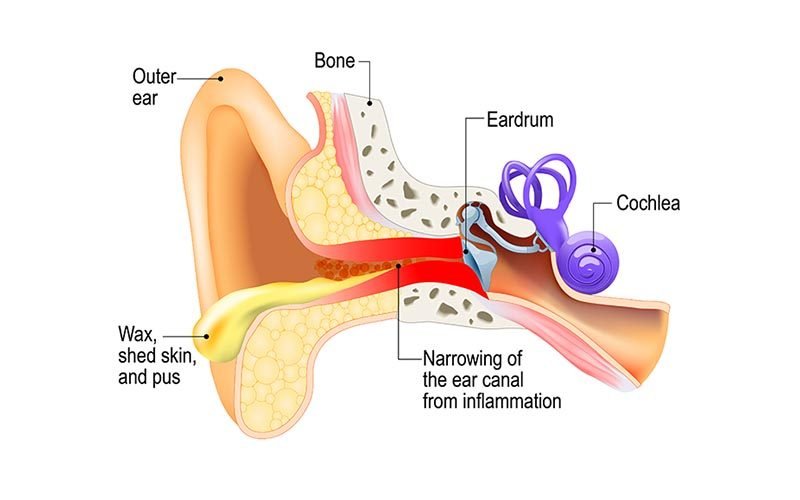
Swimmer’s Ear
What Causes Swimmer’s Ear?
Several triggers can lead to Otitis Externa
Trapped Water
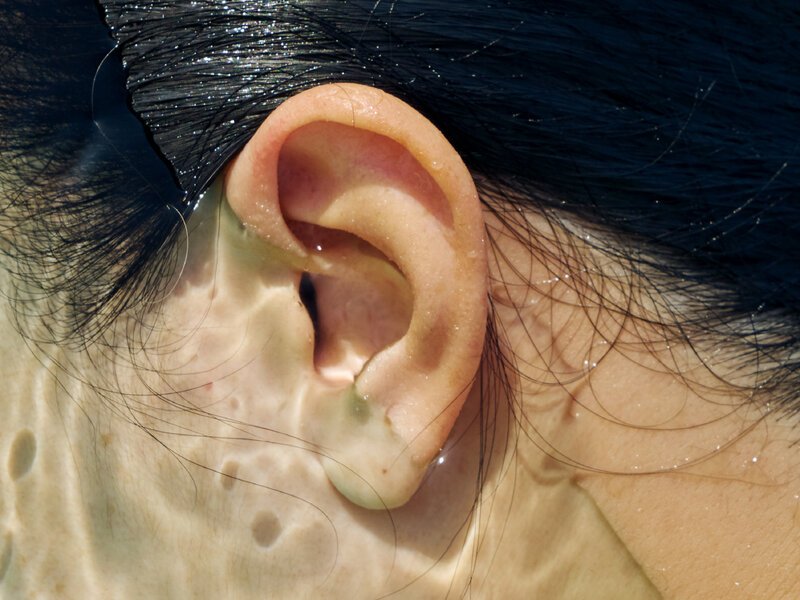
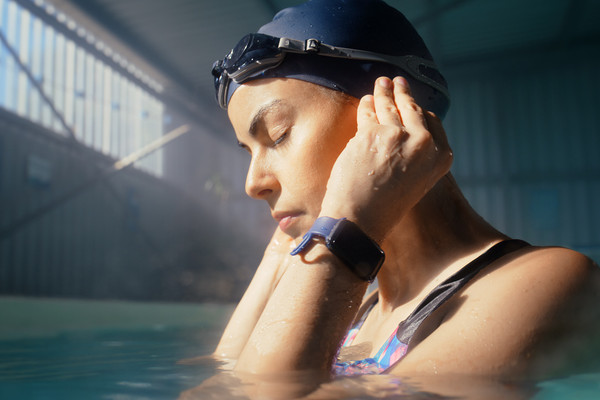
Water entering the canal after swimming or bathing creates a moist environment ideal for bacterial growth.
Ear Canal Trauma
Using cotton buds, pins, earphones, or fingernails can scratch the skin inside the ear and allow infection to develop.
High Humidity & Heat
Dubai’s warm climate makes moisture retention inside the ear more common.
Excessive Wax Removal
Earwax protects the canal. Over-cleaning removes this natural barrier and leads to irritation.
Skin Conditions
Eczema, dermatitis, or psoriasis may cause dryness and cracking, increasing the risk of infection.
Symptoms of Swimmer’s Ear
Swimmer’s Ear often progresses from mild irritation to more intense symptoms if untreated:
- Itching inside the ear
- Redness and swelling
- Ear pain, especially when touching or pulling the ear
- Clear or yellow discharge
- Blocked feeling or reduced hearing
- Severe pain spreading to the face or neck (in advanced cases)
If symptoms persist beyond 24–48 hours, professional ENT care becomes essential.
How ENT Specialists Diagnose Swimmer’s Ear
A thorough examination helps determine the cause and severity.
Dr. Amit Goel uses an otoscope to check for:
- Swelling or debris
- Fungal or bacterial infection
- Wax blockage
- Skin irritation or trauma
In recurrent cases, an ear swab may be taken for culture testing.
Prevention Tips
- Dry your ears thoroughly after swimming or showering
- Avoid inserting objects into the ear
- Use swimming earplugs if you swim frequently
- Tilt your head to help water drain naturally
- Treat skin conditions or allergies promptly
Treatment Options for Swimmer’s Ear
Managing Swimmer’s Ear typically includes:
- Professional Ear Cleaning
Removing debris, discharge, or wax helps medications work effectively.
- Medicated Ear Drops
Antibiotic, antifungal, or steroid drops reduce inflammation and clear the infection.
- Ear Wick Placement
If the canal is swollen, a small wick delivers medication deeper into the ear.
- Pain Relief Medication
Anti-inflammatory medicines help ease discomfort.
- Keeping the Ear Dry
Patients must avoid swimming and keep water out of the ear during recovery. With proper ENT treatment, most patients feel improvement within a few days.
Get Expert Care for Swimmer’s Ear in Dubai
Ear pain or infection shouldn’t disrupt your daily life. For fast, accurate, and safe treatment of Swimmer’s Ear: Book your appointment with Dr. Amit Goel –